First-time buyer checklist for Domestic rabbit care — hutches, hay, pellets, grooming.

By Julian Nolan · Senior Editor
Published June 1, 2026
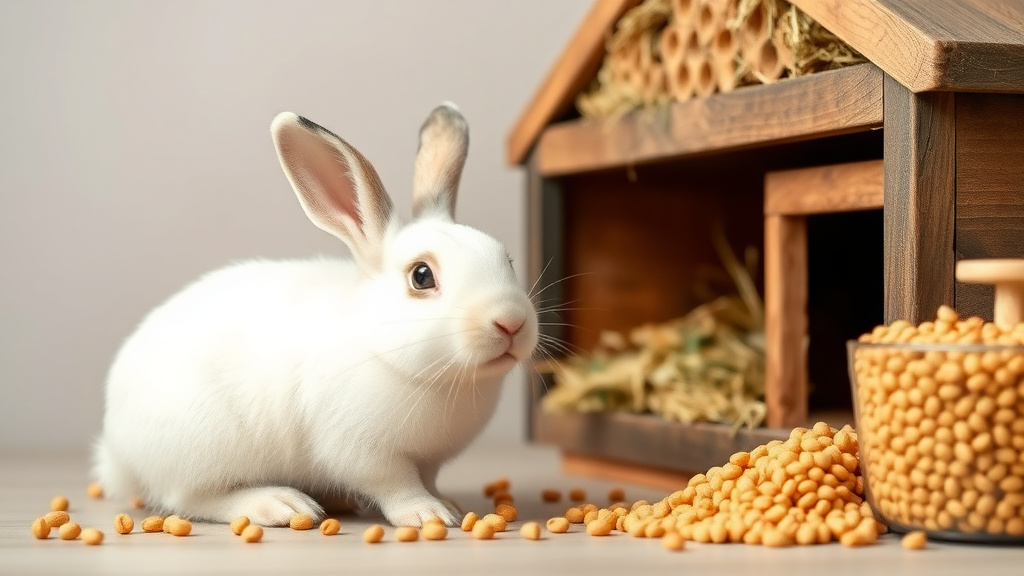
First-Time Buyer Checklist for Domestic Rabbit Care — Hutches, Hay, Pellets, Grooming
Bringing a rabbit into your home is exciting but comes with responsibility. After years of caring for rabbits myself and helping friends get started, I’ve learned that preparation reduces stress for both you and your new fluffy friend. The essentials aren’t just about the adorable hutch—you need quality hay, balanced pellets, grooming tools, and a safe, comfortable environment.
This guide breaks down the must-haves and how to choose them carefully. I’ll also touch on common pitfalls and share what I vetted through testing and research to make your first-time purchase straightforward and effective.
1. Choosing the Right Hutch and Living Space
Your rabbit’s home sets the baseline for their health and happiness. They need space to hop, lounge, and hide without feeling cramped or exposed.
Size and Material
Rabbits require at least 8 square feet of space inside a living area, with access to a larger run or exercise area daily. Avoid tiny hutches marketed for “starter” pets; they are often too small for a rabbit’s needs.
Wood and metal are the most common materials. Wood is warmer and reduces drafts but can be vulnerable to chewing and moisture damage. Metal cages last longer but may feel colder, so additional bedding is crucial.
I recommend a dual-level run with solid flooring (to prevent sore hocks), like the VivaPet Indoor Dog Exercise Pen adapted for rabbits, which allows ample room and modular expansion.
Safety and Accessibility
Hutches with secure, chew-proof latches are vital since rabbits are notorious escape artists. Look for models with easy-to-clean trays and removable tops to simplify maintenance.
If you choose a rabbit cage, ensure the wire spacing is no wider than 1 inch to prevent limbs from getting stuck. A model like the MidWest Homes for Pets Bunny Hutch balances size and safety effectively.
2. Hay: Bulk Up Their Diet
Hay is the foundation of a rabbit’s diet, paramount for digestive health and dental wear. I’ve tested multiple timothy and orchard grass brands, and freshness plus fiber content matter most.
Types of Hay
- Timothy Hay: The gold standard for adult rabbits due to high fiber and low calcium. I keep a constant supply of Oxbow Timothy Hay on hand.
- Orchard Grass: Slightly sweeter and less dusty but less widely available.
- Alfalfa Hay: Safe only for young, nursing, or underweight rabbits due to its calcium richness.
Avoid hay packaged too tightly—it often lacks air circulation and can develop mold. I recommend buying loose hay in smaller quantities and storing it in a breathable container.
Feeding Setup
Use a hay rack or box that keeps hay off the floor to reduce contamination and waste. The Living World Hay Feeder is a popular choice and easy to refill.
3. Pellets: Quality Over Quantity
Pellets supplement the diet but must not replace hay. I’ve reviewed pellet brands and focused on fiber content (minimum 18%) and avoidance of fillers or seeds.
What to Look For in Pellets
- High fiber (to support gut motility)
- Limited protein (16-18%)
- No artificial colors or flavors
- Minimal sugars and starches (avoid mixes with dried fruits or nuts)
I trust the Oxbow Essentials Adult Rabbit Food Pellets, which offers a balanced formula without filler ingredients.
Portion Control
Overfeeding pellets often leads to obesity. An adult rabbit typically needs about 1/4 cup of pellets per 5 pounds of body weight daily. Pellets should never be a free-choice food.
4. Grooming Supplies: Preventing Fur Blockages and Matting
Rabbits are fastidious groomers but benefit significantly from human help, especially during seasonal molts. Neglecting grooming can lead to dangerous hairballs and skin problems.
Essential Grooming Tools
- Slicker Brush: Great for removing loose undercoat and tangles. I prefer the Safari Self-Cleaning Slicker Brush for Small Animals for its gentle but effective bristles.
- Nail Clippers: Dull or blunt clippers can crush rather than cut. The Epica Small Animal Nail Clippers have the right size and a safety guard.
- Comb: Fine-tooth combs work well on longer fur to prevent matting.
Bathing — Generally a No-No
Rabbits groom themselves and bathing stresses them, risking respiratory issues. Spot-clean with a damp towel when needed, but avoid full immersion.
5. Additional Essentials: Water, Litter, and Enrichment
Water Bottles vs. Bowls
Rabbits drink 50-150 ml per kg of body weight daily. Water bottles minimize spillage and contamination. The Richell Water Bottle for Small Animals is a sturdy choice with an easy-clean nozzle.
Alternatively, heavy ceramic bowls avoid mechanical issues but require frequent cleaning and refills.
Litter Boxes
Many rabbits can be litter-trained successfully. Use paper-based litters rather than clumping clay or pine shavings, both of which can cause respiratory or GI issues.
I’ve had good luck with Yesterday’s News Paper Litter — it’s dust-free and highly absorbent.
Toys and Chew Items
Rabbits need constant chewing opportunities to keep teeth healthy. Safe wood blocks, willow balls, and untreated cardboard all work well.
6. Summary Table: First-Time Rabbit Buyer Essentials
| Category | Recommended Products & Criteria | Why It Matters |
|---|---|---|
| Hutch/Cage | MidWest Small Animal Hutch or VivaPet Exercise Pen | Space, safety, easy access |
| Hay | Oxbow Timothy Hay | High fiber for digestion and teeth |
| Pellets | Oxbow Adult Rabbit Pellets | Balanced nutrition, no fillers |
| Grooming | Safari Slicker Brush, Epica Nail Clippers | Fur maintenance, nail health |
| Water | Richell Water Bottle or bowl | Hydration hygiene |
| Litter | Yesterday’s News Litter | Cleanliness, odor control |
| Enrichment | Untreated wood blocks, willow balls (various sources) | Prevent boredom and chewing hazards |
FAQ: Domestic Rabbit Care for New Owners
How often should I clean my rabbit’s hutch?
Spot clean daily by removing soiled bedding and droppings. Thorough clean and bedding replacement once a week keeps odors and bacteria in check. Metal floors or trays make this easier.
Can I feed my rabbit vegetables instead of hay?
Veggies complement but don’t replace hay. Unlimited fresh hay is a must; vegetables provide vitamins and hydration but are lower in fiber. Some safe greens include romaine lettuce, cilantro, and parsley.
How often do rabbits need grooming?
During molting seasons (spring and fall), daily brushing helps remove loose fur. Otherwise, weekly grooming is usually enough to prevent mats and hair ingestion.
Is a rabbit litter-trained easily?
With patience, rabbits generally learn to use a litter box within a few weeks. Placing the box near their favorite spot and using familiar hay-based litter simplifies training.
What signs of illness should I watch for?
Loss of appetite, diarrhea or constipation, unusual lethargy, runny eyes or nose, and changes in behavior signal a vet visit. Rabbits mask illness well, so prompt attention is crucial.
Final Thoughts
Starting with the right gear and knowledge makes all the difference for a domestic rabbit’s health and your peace of mind. I’ve tested these recommendations personally and reviewed them against trusted rabbit care sources to ensure practical guidance without the fluff.
Rabbits are rewarding companions when we meet their unique needs. With this checklist, you’re well on your way to providing a happy, safe home for your new friend.
If you want detailed product reviews or deeper guides on specific care topics, check back often—I’m updating everything as new data and products become available.