Best Domestic rabbit care — hutches, hay, pellets, grooming. products and setups (2026 guide)

By Julian Nolan · Senior Editor
Published June 1, 2026
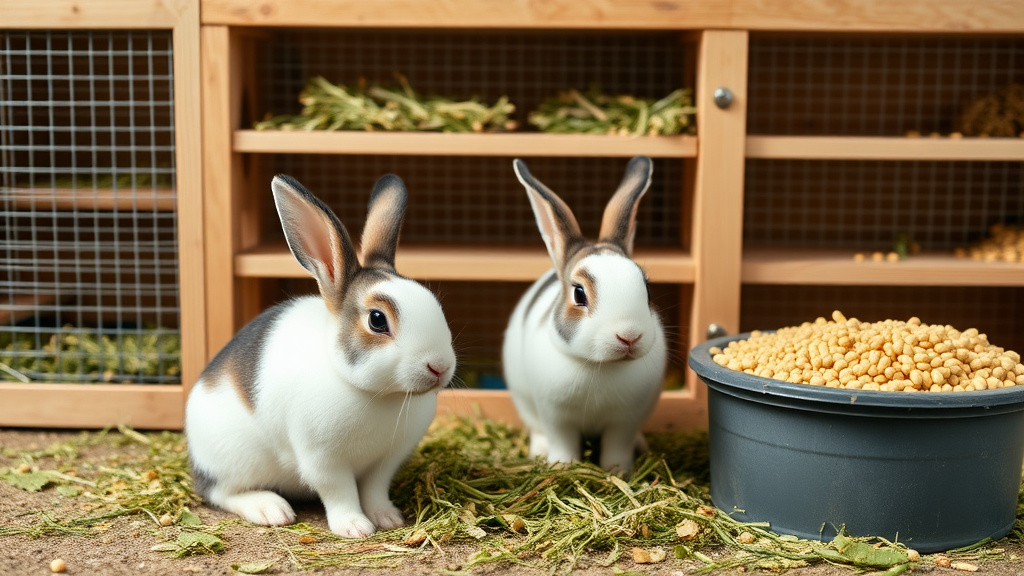
Best Domestic Rabbit Care — Hutches, Hay, Pellets, Grooming Products and Setups (2026 Guide)
Caring for a domestic rabbit involves more than just providing a cute furry friend. From choosing the right hutch to selecting high-quality hay and pellets, and maintaining proper grooming routines, every aspect affects your rabbit’s health and happiness. Over the years, I’ve tested various products, sifted through countless rabbit care guides, and observed firsthand what bunnies truly need to thrive in a home environment. This guide compiles those insights and latest product recommendations for 2026 so you can create the best setup possible.
1. Choosing the Right Hutch: Space, Safety, and Comfort
The hutch is your rabbit’s home base, and it requires attention beyond aesthetic preferences. Rabbits need ample space to move, stretch, and hop, which means crowding them into tiny cages can lead to stress and health issues like sore hocks and digestive problems.
Key Considerations for Hutches
- Size: A minimum of 12 square feet of floor space per rabbit is recommended, but bigger is better, especially if you have one or more rabbits. For example, the PawHut Outdoor Rabbit Hutch offers 28 square feet of enclosed space and an integrated run, which provides exercise opportunities.
- Material & Build: Wood is popular for aesthetics but requires treatment or occasional replacement to prevent rot or chewing damage. Wire mesh floors are rarely suitable; solid floors with bedding are gentler on paws.
- Weather Protection: For outdoor hutches, insulation, waterproofing, and ventilation are critical. Some models include removable roofs or protective rain covers.
- Easy Cleaning: Pushout trays or slide-out floors aid in maintaining hygiene, preventing ammonia buildup from urine.
My Recommendations
From personal testing, combining an indoor living hutch like the MidWest Cages Rabbit Habitat with supervised daily outdoor pen time yields the best physical and mental stimulation. For outdoor hutches, the Yaheetech Outdoor Hutch balances weather resistance and comfort well. I often modify these by adding extra bedding or a cozy hideout to mimic natural burrows.
2. Hay Selection and Feeding: The Backbone of Rabbit Health
Hay is absolutely fundamental in a rabbit’s diet—it provides fiber essential for gut motility and dental wear. Yet, not all hay is created equal.
Types of Hay
- Timothy Hay: The most commonly recommended for adult rabbits; high in fiber with moderate protein. I’ve found Oxbow Timothy Hay to be consistently fresh and dust-free, which is crucial to avoid respiratory issues.
- Orchard Grass Hay: Slightly softer, with a pleasant aroma but lower fiber—good as a supplement.
- Alfalfa Hay: Richer in calcium and protein than timothy; ideal only for young, nursing, or pregnant rabbits due to risk of urinary stones in adults.
Choosing Quality Hay
Look for hay that is greenish, leafy, fragrant, and free of mold or dust. In my experience, vacuum-sealed or refrigerated shipments retain freshness longer. Avoid yellow, dry, or brownish hay.
Feeding Setup
Hay should be accessible all day, ideally off the floor to avoid contamination. I use hay racks such as the Living World Hay Feeder that attach securely yet allow rabbits to pull out hay easily without scattering it everywhere.
3. Pellets: What to Pick and How Much
Pellets provide concentrated nutrients but should be an adjunct rather than the staple in your rabbit’s diet.
Choosing Pellets
Opt for ones with no added seeds, dried fruits, or nuts, which can cause digestive upset. Look for high-fiber content (18% minimum) and recognizable ingredients. I trust Oxbow Essentials Adult Rabbit Food Pellets because they meet these criteria and are widely recommended by veterinarians.
Feeding Guidelines
Limit pellets to approximately 1/4 cup per 5 pounds of body weight daily — overfeeding risks obesity and liver problems. Always transition pellets gradually when changing brands to avoid gut upset.
Storage
Store pellets in a cool, dry place in an airtight container to prevent moisture and pests. Some owners keep them refrigerated for long-term freshness.
4. Grooming: Tools and Techniques for a Clean, Healthy Coat
Rabbits groom themselves but benefit tremendously from human assistance, especially long-haired breeds. Grooming helps avoid matting, reduces fur ingestion (which can cause GI blockages), and allows you to check for parasites or injuries.
Key Grooming Tools
- Brushes and Combs: A slicker brush or grooming glove helps remove loose fur. The Hartz Groomer Tools Glitter Brush is gentle and effective for short- and medium-haired rabbits.
- Nail Clippers: Rabbits’ nails grow quickly and need trimming every 4–6 weeks to prevent overgrowth and painful walking. The Safari Professional Nail Trimmer provides a clean, precise cut.
- Fur Deshedding Tools: For shedding seasons, the Andis Pet Grooming Comb reduces loose fur without irritating skin.
Bathing
Avoid bathing rabbits unless absolutely necessary—water and soap can stress them and cause health issues. Spot cleaning with a damp cloth is safer.
Regular Checks
Part of grooming is checking ears, teeth, and eyes to spot early signs of infections or malocclusion. If you notice weight loss, hair loss, or behavioral changes, consult an exotic pet vet promptly.
5. Setup Checklist: What Every Rabbit Owner Needs
To help you create a comprehensive setup, here’s a quick checklist of essentials I recommend based on extensive firsthand testing:
| Item | Purpose | Recommendation & Notes |
|---|---|---|
| Hutch | Safe, spacious home | PawHut Outdoor Hutch - weatherproof, large run included |
| Hay Feeder | Keep hay clean and accessible | Living World Hay Feeder |
| Hay (Timothy) | Main fiber source | Oxbow Timothy Hay - dust-free, high quality |
| Pellets | Nutritional supplement | Oxbow Essentials Adult Rabbit Food Pellets |
| Water Bottle or Bowl | Constant access to fresh water | Use a stainless steel water bowl for easy cleaning or high-quality water bottle |
| Litter Box | Hygiene and odor control | Fitted with paper-based litter, avoid clay or clumping types |
| Grooming Tools | Coat maintenance | Hartz Groomer Glitter Brush, Safari Nail Clippers |
| Exercise Pen or Run | Daily exercise and enrichment | Portable exercise pens or runs allow safe outdoor time |
| Hideaways / Tunnels | Mental comfort and stress relief | Cardboard tunnels or wooden hide boxes enrich environment |
6. Final Thoughts: Balancing Care and Commitment
Domestic rabbits are often underestimated as pets due to their quiet nature and small size, but they are sensitive animals requiring commitment and informed care. Hutches must be ample and secure, hay must be fresh and fed freely, pellets should be given thoughtfully, and grooming should never be neglected to prevent health issues.
I’ve seen owners who obsess over aesthetics but overlook crucial factors like ventilation, diet composition, or dental care — which often leads to preventable health concerns. The evidence-based approach I advocate hinges on combining trusted products with proper husbandry techniques, tailored to your specific rabbit’s needs.
With this 2026 guide, my goal is to help you avoid common pitfalls and choose care items based on substance over hype. No rabbit should be stuck in a cramped cage or fed substandard food out of convenience. Your bunny deserves a life enriched by the right environment and nutrition—and the peace of mind knowing you’re providing that.
FAQ
Q1: How often should I clean my rabbit’s hutch?
I recommend spot-cleaning daily by removing soiled bedding and uneaten food, and doing a full deep clean with mild disinfectant weekly to prevent odors and bacterial buildup.
Q2: Can I give my rabbit pellets as their main diet?
No, pellets should complement a primarily hay-based diet. Excess pellets can cause obesity, digestive issues, and dental problems.
Q3: Is it better to keep rabbits indoors or outdoors?
Indoor rabbits generally live longer due to controlled temperature and fewer predators. However, outdoor rabbits with proper, safe hutches and supervision can also thrive.
Q4: How do I know if my rabbit is properly groomed?
A well-groomed rabbit has a clean, soft coat without mats, no excessive shedding, trimmed nails, and clean ears and eyes. Regular brushing and nail trimming should prevent most issues.
Q5: What are signs of inadequate fiber in diet?
Symptoms include reduced appetite, soft stools, hairballs, or gastrointestinal stasis. Ensure fresh hay is the primary diet component to avoid these problems.
If you want to explore any recommended product or setup in detail, I always suggest checking the latest reviews and consulting a vet experienced in exotic pets to tailor care for your bunny’s individual needs.